


Description
The giant stone heads of Rapa Nui (Easter Island) have inspired theories for centuries.
Quick Look
Info: 2 pages, 40 ques + key
Format: Google Forms Quiz
Video link: https://www.pbs.org/video/easter-island-origins-gahb8u/
Other resources ($): Word & PDF, Google Forms
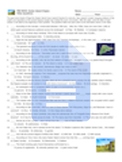
The Google Docs worksheet features 40 multiple choice and matching questions that follow the video. You will need to obtain a DVD of the video or locate an internet site for streaming.
The giant stone heads of Rapa Nui (Easter Island) have inspired theories for centuries. New research reveals intriguing evidence of the origins and inspirations of the ancient Rapanui people who created the iconic monuments.
Overview: PBS NOVA: Easter Island Origins
Today, Rapa Nui, or Easter Island, is a small, isolated island located in the southeast Pacific Ocean about 2,000 miles from Chile in South America. The island is famous for its iconic stone heads, about 1,000 of which can be found around the island. The general consensus is that the first people to settle Rapa Nui were Polynesian sailors from other islands to the west. This is also confirmed by tradition and DNA testing. In 1947, Norwegian explorer Thor Heyerdahl proposed that the Polynesians originated in South America, a theory that went against linguistic and archaeological evidence. Heyerdahl built a balsa wood raft, the Kon Tiki, based on techniques used by ancient South Americans, and was able to sail the boat to a Polynesian island. Despite being incorrect about the origin of the Polynesians, he helped promote Easter Island in the popular imagination through his books and exploits. DNA testing of indigenous Rapanui confirmed their beliefs concerning Polynesian origins. Strangely, the testing also revealed a mysterious link to the Zenú people of Columbia.
Today, Rapa Nui, or Easter Island, is a small, isolated island located in the southeast Pacific Ocean about 2,000 miles from Chile in South America. The island is famous for its iconic stone heads, about 1,000 of which can be found around the island. The general consensus is that the first people to settle Rapa Nui were Polynesian sailors from other islands to the west. This is also confirmed by tradition and DNA testing. In 1947, Norwegian explorer Thor Heyerdahl proposed that the Polynesians originated in South America, a theory that went against linguistic and archaeological evidence. Heyerdahl built a balsa wood raft, the Kon Tiki, based on techniques used by ancient South Americans, and was able to sail the boat to a Polynesian island. Despite being incorrect about the origin of the Polynesians, he helped promote Easter Island in the popular imagination through his books and exploits. DNA testing of indigenous Rapanui confirmed their beliefs concerning Polynesian origins. Strangely, the testing also revealed a mysterious link to the Zenú people of Columbia.
Today, Rapa Nui, or Easter Island, is a small, isolated island located in the southeast Pacific Ocean about 2,000 miles from Chile in South America. The island is famous for its iconic stone heads, about 1,000 of which can be found around the island. The general consensus is that the first people to settle Rapa Nui were Polynesian sailors from other islands to the west. This is also confirmed by tradition and DNA testing. In 1947, Norwegian explorer Thor Heyerdahl proposed that the Polynesians originated in South America, a theory that went against linguistic and archaeological evidence. Heyerdahl built a balsa wood raft, the Kon Tiki, based on techniques used by ancient South Americans, and was able to sail the boat to a Polynesian island. Despite being incorrect about the origin of the Polynesians, he helped promote Easter Island in the popular imagination through his books and exploits. DNA testing of indigenous Rapanui confirmed their beliefs concerning Polynesian origins. Strangely, the testing also revealed a mysterious link to the Zenú people of Columbia.
The name Easter Island comes from the first Europeans who arrived here on Easter Sunday, 1722. The first contact between the Dutch landing party and indigenous Rapanui led to a tragic massacre, a clash of cultures. To Western explorers like Captain James Cook, the island appeared to be a wilderness of volcanic stones. Today it is known that the Rapanui fertilized their fields with volcanic stones. The observation that all the statues were toppled led to the collapse theory in which unfettered construction of the stone heads, or moai, led to a depletion of natural resources, internecine battles, and eventual decline in population. Modern archaeology has begun to refute this theory. The island’s population likely never exceeded 3,000 people. The stones may have been moved using a “walking” technique where the statues were slowly moved upright using ropes. There is no archaeological evidence of warfare, and most sites appear to have been maintained until the European arrival.
The Rapanui also invented a written language named rongorongo. Carved into wooden tablets, the script was likely read by rotating the tablet at the end of each line of text. Largely undeciphered, rongorongo may represent a rare instance of writing appearing spontaneously outside of the world’s main language evolution.
It appears that the real decline of the Rapanui occurred after contact with Europeans. Smallpox and the slave trade particular killed many of the inhabitants, and at one time the population was just over 200.
PBS NOVA: Easter Island Origins Video Questions Worksheet, Google Doc + Key

Highlights


Save even more with bundles

Description
The giant stone heads of Rapa Nui (Easter Island) have inspired theories for centuries.
Quick Look
Info: 2 pages, 40 ques + key
Format: Google Forms Quiz
Video link: https://www.pbs.org/video/easter-island-origins-gahb8u/
Other resources ($): Word & PDF, Google Forms
The Google Docs worksheet features 40 multiple choice and matching questions that follow the video. You will need to obtain a DVD of the video or locate an internet site for streaming.
The giant stone heads of Rapa Nui (Easter Island) have inspired theories for centuries. New research reveals intriguing evidence of the origins and inspirations of the ancient Rapanui people who created the iconic monuments.
Overview: PBS NOVA: Easter Island Origins
Today, Rapa Nui, or Easter Island, is a small, isolated island located in the southeast Pacific Ocean about 2,000 miles from Chile in South America. The island is famous for its iconic stone heads, about 1,000 of which can be found around the island. The general consensus is that the first people to settle Rapa Nui were Polynesian sailors from other islands to the west. This is also confirmed by tradition and DNA testing. In 1947, Norwegian explorer Thor Heyerdahl proposed that the Polynesians originated in South America, a theory that went against linguistic and archaeological evidence. Heyerdahl built a balsa wood raft, the Kon Tiki, based on techniques used by ancient South Americans, and was able to sail the boat to a Polynesian island. Despite being incorrect about the origin of the Polynesians, he helped promote Easter Island in the popular imagination through his books and exploits. DNA testing of indigenous Rapanui confirmed their beliefs concerning Polynesian origins. Strangely, the testing also revealed a mysterious link to the Zenú people of Columbia.
Today, Rapa Nui, or Easter Island, is a small, isolated island located in the southeast Pacific Ocean about 2,000 miles from Chile in South America. The island is famous for its iconic stone heads, about 1,000 of which can be found around the island. The general consensus is that the first people to settle Rapa Nui were Polynesian sailors from other islands to the west. This is also confirmed by tradition and DNA testing. In 1947, Norwegian explorer Thor Heyerdahl proposed that the Polynesians originated in South America, a theory that went against linguistic and archaeological evidence. Heyerdahl built a balsa wood raft, the Kon Tiki, based on techniques used by ancient South Americans, and was able to sail the boat to a Polynesian island. Despite being incorrect about the origin of the Polynesians, he helped promote Easter Island in the popular imagination through his books and exploits. DNA testing of indigenous Rapanui confirmed their beliefs concerning Polynesian origins. Strangely, the testing also revealed a mysterious link to the Zenú people of Columbia.
Today, Rapa Nui, or Easter Island, is a small, isolated island located in the southeast Pacific Ocean about 2,000 miles from Chile in South America. The island is famous for its iconic stone heads, about 1,000 of which can be found around the island. The general consensus is that the first people to settle Rapa Nui were Polynesian sailors from other islands to the west. This is also confirmed by tradition and DNA testing. In 1947, Norwegian explorer Thor Heyerdahl proposed that the Polynesians originated in South America, a theory that went against linguistic and archaeological evidence. Heyerdahl built a balsa wood raft, the Kon Tiki, based on techniques used by ancient South Americans, and was able to sail the boat to a Polynesian island. Despite being incorrect about the origin of the Polynesians, he helped promote Easter Island in the popular imagination through his books and exploits. DNA testing of indigenous Rapanui confirmed their beliefs concerning Polynesian origins. Strangely, the testing also revealed a mysterious link to the Zenú people of Columbia.
The name Easter Island comes from the first Europeans who arrived here on Easter Sunday, 1722. The first contact between the Dutch landing party and indigenous Rapanui led to a tragic massacre, a clash of cultures. To Western explorers like Captain James Cook, the island appeared to be a wilderness of volcanic stones. Today it is known that the Rapanui fertilized their fields with volcanic stones. The observation that all the statues were toppled led to the collapse theory in which unfettered construction of the stone heads, or moai, led to a depletion of natural resources, internecine battles, and eventual decline in population. Modern archaeology has begun to refute this theory. The island’s population likely never exceeded 3,000 people. The stones may have been moved using a “walking” technique where the statues were slowly moved upright using ropes. There is no archaeological evidence of warfare, and most sites appear to have been maintained until the European arrival.
The Rapanui also invented a written language named rongorongo. Carved into wooden tablets, the script was likely read by rotating the tablet at the end of each line of text. Largely undeciphered, rongorongo may represent a rare instance of writing appearing spontaneously outside of the world’s main language evolution.
It appears that the real decline of the Rapanui occurred after contact with Europeans. Smallpox and the slave trade particular killed many of the inhabitants, and at one time the population was just over 200.
