


Description
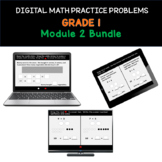
This product contains four digital problem sets that are aligned to Grade 1 Eureka Math or Engage NY Module 2 - Topic C. The problems were created using Google Slides and contain moveable pieces which act as virtual math manipulatives for students. Use these engaging practice problems to reinforce learning from your lessons either through virtual learning or through a technology center.
This problem set was designed to meet the needs of all learners. Slides were designed using simple colors and without distracting clipart to ensure that students with learning differences and those who receive special education services are able to focus.
This product includes:
- Lesson 22 Practice - 4 problems ask students to utilize the read, drag and drop (draw), and write/type strategy to solve for an unknown.
- Lesson 23 Practice - 4 problems ask students to utilize the read, drag and drop (draw), and write/type strategy to solve for an unknown.
- Lesson 24 Practice - 4 problems ask students to utilize the read, drag and drop (draw), and write/type strategy to solve for an unknown.
- Lesson 25 Practice - 5 problems ask students to type matching expressions that make true number sentences; 5 problems ask students to retype expressions to make the number sentences true.
Terms of Use: Purchase of this license provides you with personal access for use within your own classroom (virtual or in-person). If you would like to share this resource, please purchase a multi-user license or direct colleagues to this page. ©www.teachspecialeducation.com
Check out some of my other products for special education teachers:
Grade 1 Distance Learning Math Practice Bundle: Module 1
Grade 1 Distance Learning Math Practice Module 2 - Topic A
Grade 1 Distance Learning Math Practice Module 2 - Topic B
Disclaimer: Please note that these are not the same exact problems from the Eureka curriculum. I am not associated with Eureka, Engage NY, Great Minds, etc. These are meant to be used as additional or alternative practice of the skills that have been covered in each lesson. You are paying for my approach to making the learning from each lesson accessible to students in a virtual learning environment.
Design Element Copyrights:
- Fonts: Kimberly Geswein Fonts
- Product Cover Art: Bricks and Border
Distance Learning | Grade 1 Math Practice: Module 2 - Topic C (Eureka/EngageNY)

Highlights


Save even more with bundles

Description
This product contains four digital problem sets that are aligned to Grade 1 Eureka Math or Engage NY Module 2 - Topic C. The problems were created using Google Slides and contain moveable pieces which act as virtual math manipulatives for students. Use these engaging practice problems to reinforce learning from your lessons either through virtual learning or through a technology center.
This problem set was designed to meet the needs of all learners. Slides were designed using simple colors and without distracting clipart to ensure that students with learning differences and those who receive special education services are able to focus.
This product includes:
- Lesson 22 Practice - 4 problems ask students to utilize the read, drag and drop (draw), and write/type strategy to solve for an unknown.
- Lesson 23 Practice - 4 problems ask students to utilize the read, drag and drop (draw), and write/type strategy to solve for an unknown.
- Lesson 24 Practice - 4 problems ask students to utilize the read, drag and drop (draw), and write/type strategy to solve for an unknown.
- Lesson 25 Practice - 5 problems ask students to type matching expressions that make true number sentences; 5 problems ask students to retype expressions to make the number sentences true.
Terms of Use: Purchase of this license provides you with personal access for use within your own classroom (virtual or in-person). If you would like to share this resource, please purchase a multi-user license or direct colleagues to this page. ©www.teachspecialeducation.com
Check out some of my other products for special education teachers:
Grade 1 Distance Learning Math Practice Bundle: Module 1
Grade 1 Distance Learning Math Practice Module 2 - Topic A
Grade 1 Distance Learning Math Practice Module 2 - Topic B
Disclaimer: Please note that these are not the same exact problems from the Eureka curriculum. I am not associated with Eureka, Engage NY, Great Minds, etc. These are meant to be used as additional or alternative practice of the skills that have been covered in each lesson. You are paying for my approach to making the learning from each lesson accessible to students in a virtual learning environment.
Design Element Copyrights:
- Fonts: Kimberly Geswein Fonts
- Product Cover Art: Bricks and Border
Reviews
